Pest Control
Investigation, treatment and prevention.
The Environmental Agency delivers targeted pest control services exclusively within His Majesty’s Government of Gibraltar premises. Our integrated approach combining investigation, treatment, and prevention—aims to safeguard public health and uphold hygienic standards across government facilities.
Cockroaches, rats, mice, and fleas are common in all communities. Our certified Pest Control Operatives are committed to their safe and effective management using environmentally responsible pesticides and advanced control techniques. All treatments are applied with precision to minimise ecological impact and prevent exposure to non-target species.
As part of an ongoing rodent control programme, Gibraltar’s main sewer system is continuously monitored and treated in response to detected activity.
What We Do
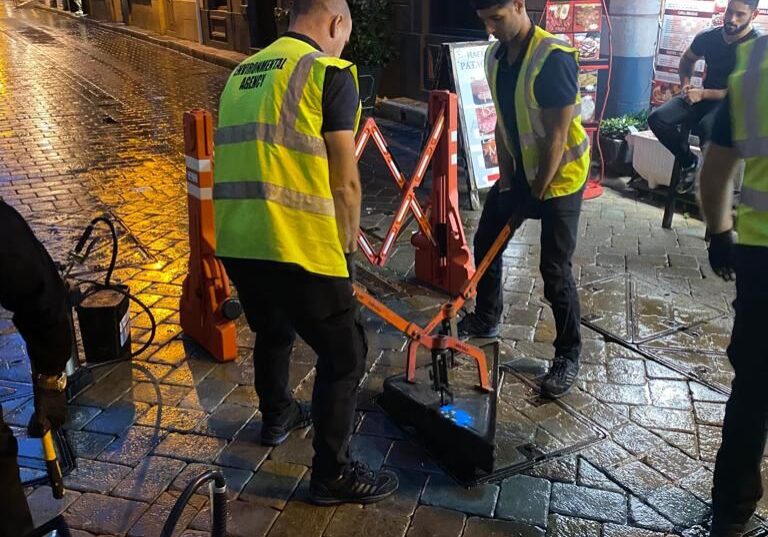
Investigation
- Investigation of complaints relating to pests
- Thorough site inspections
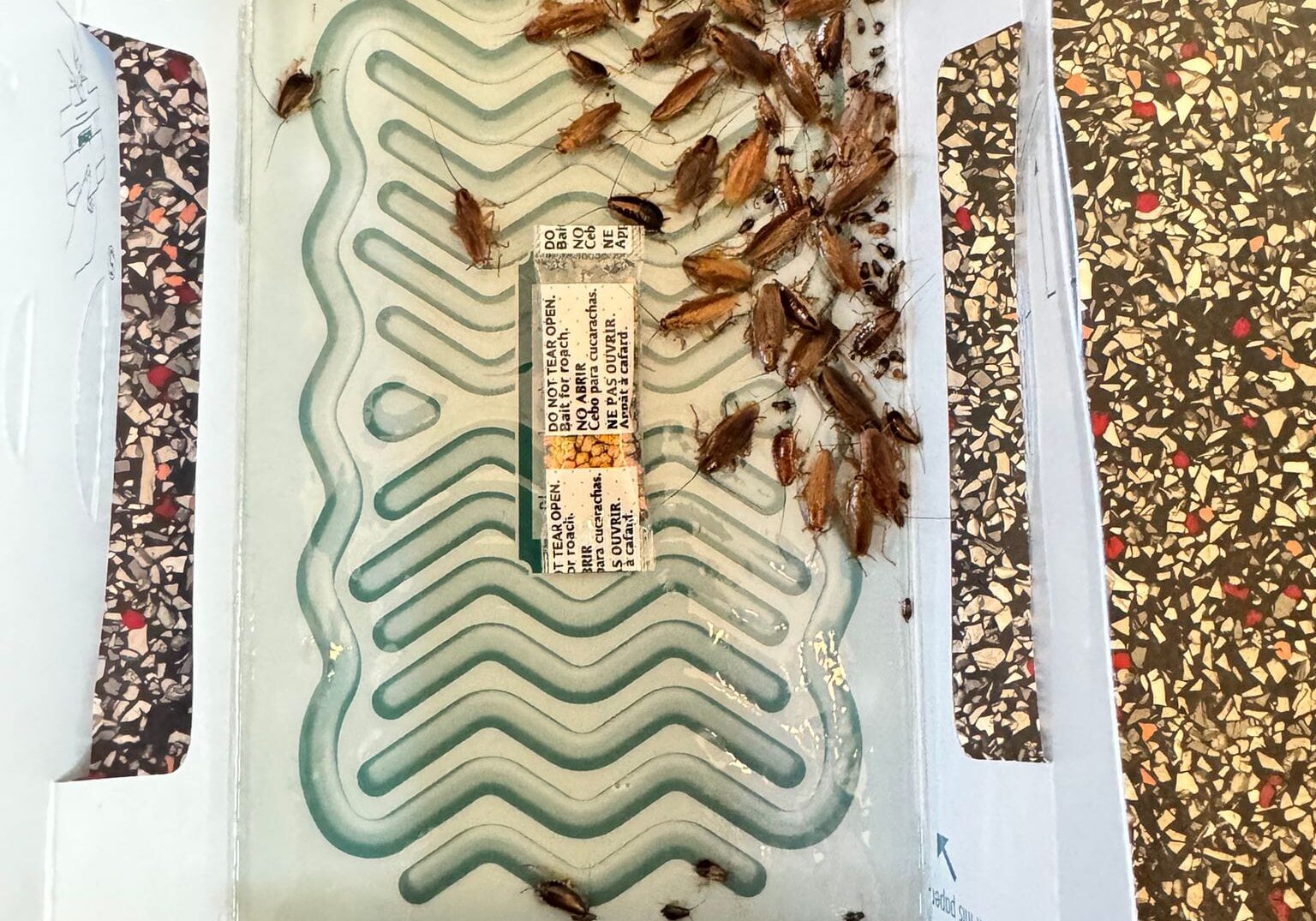
Integrated Pest Management and Disinfection
- Advise on pest-proofing to prevent the entry and infestation of pests
- Disinfection of premises in respect of infectious diseases
- Disinfection of articles in respect of infectious diseases
- Treatment of infestation by insects
- Treatment of premises for rodents
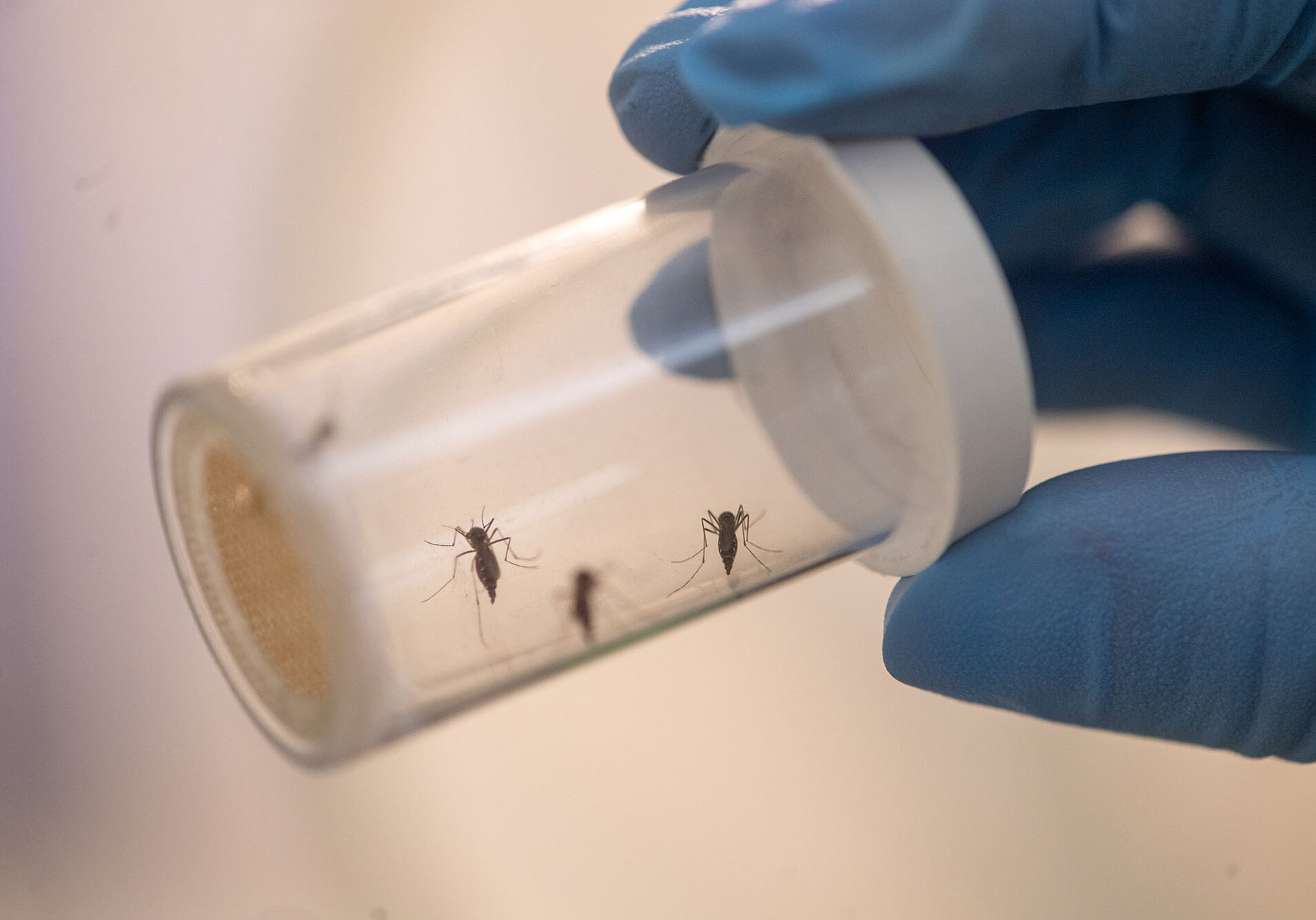
Laboratory Identification
- Accurate pest species identification to inform effective control strategies.
Common Pests found in Gibraltar
Learn more about the most common pests we encounter and manage across Gibraltar.
Explore information on various pests, their health implications, and our recommended control measures.
We can help with black garden ants.
Black garden ants are a nuisance pest, but not a risk to human health.
Signs of garden ants
- garden ants swarm every year as part of the colony flies away to find a new place to nest. This is natural, and should be over with 48 hours
- nests are always found in garden soil or under floors are likely to be visible inside and outside the property
- check paved areas outdoors – these make an ideal place for garden ants to live
- a trail of ants may be seen moving to and from the nest site
- they are often seen around food or spillage
Treating an infestation
Before requesting treatment, you may want to attempt to treat an infestation at home with aerosols, insecticidal dusts or powders from a garden centre or DIY store.
Bedbug bites cause redness, swelling and itching. Some people may be at risk of an allergic reaction to their bites.
Signs of bedbugs
- adult bedbugs are roughly the size of an apple pip, and after biting they will appear red or purple in colour
- they may be seen mattress seams, bedding, sockets and cracks in walls, on curtains or along skirting boards and carpet edges
- look for dark brown stains on bedding, especially around mattresses and bed frames, as bedbugs leave droppings after every meal
- any bites will be swollen, red and itchy, and may appear in clusters
Treating an infestation
Treatments for bedbugs can be complex. New control methods are being tested by professionals all the time.
For these reasons we do not recommend that you try and treat an infestation yourself. Treatments are extremely difficult and even professionals can struggle to control the problem completely.
Cockroaches are resilient insects that can pose a public health concern due to their potential to contaminate food and surfaces with bacteria. While not all species are prevalent locally, understanding their behaviour and habitat is essential for effective management.
Common Species in Gibraltar
- American Cockroach (Periplaneta americana) Typically associated with sewers, drains, and damp, undisturbed environments. These cockroaches do not establish nests within domestic premises but may enter buildings when their natural habitat is disrupted.
- Oriental Cockroach (Blatta orientalis) Occasionally found in older buildings, particularly beneath wooden flooring. This species is relatively uncommon in Gibraltar.
- German Cockroach (Blattella germanica)
This species is frequently encountered in kitchens and food preparation areas. It thrives in warm, humid environments and is capable of rapid population growth.
Health Risks
Cockroaches are known carriers of pathogens and allergens. Their presence in food-handling areas can lead to the transmission of bacteria such as Salmonella and E. coli, contributing to foodborne illnesses.
Recognising an Infestation
Cockroaches are nocturnal and typically remain hidden during daylight hours. However, visible activity during the day may indicate a significant infestation. Signs include:
- Insects scuttling away when lights are turned on
- Droppings resembling black pepper grains
- Shed skins and egg cases (oothecae)
- Musty odour in affected areas
Inspection should focus on warm, dark spaces such as behind kitchen units, refrigerators, cookers, and within cupboard voids. A torch may assist in identifying hidden activity.
Treatment and Control Measures
Professional intervention is strongly recommended, as effective treatment requires the safe and targeted use of insecticides. The Environmental Agency’s approved contractors follow a structured protocol:
- Minimum of Three Visits
Even for minor infestations, a minimum of three site visits is conducted to ensure thorough eradication and monitoring. - Integrated Treatment Approach
Our team deploy insect monitors, apply insecticidal gels, and use residual sprays in accordance with safety guidelines. - Follow-Up and Prevention Advice on hygiene, sealing entry points, and reducing harbourage areas is provided to prevent recurrence.
If you suspect a cockroach infestation, please contact a licensed pest control provider or consult the Environmental Agency for further guidance. Early intervention is key to protecting public health and maintaining sanitary conditions.
Fleas are small, wingless insects measuring approximately 1–4 mm in length, typically brownish in colour. Despite lacking wings, they possess powerful hind legs that enable them to jump considerable distances. Adult fleas live exclusively as external parasites on warm-blooded animals, including domestic pets.
Female fleas can live for up to two years and may lay as many as 1,000 eggs during their lifespan. Eggs are deposited onto the host animal and subsequently fall onto surrounding surfaces such as carpets, bedding, and upholstery. Within several days, these eggs hatch into larvae, which develop over a period of 2–3 weeks before entering a pupal stage inside a cocoon. Adult fleas emerge approximately two weeks later, depending on environmental conditions.
Public Health Considerations
Flea bites can cause skin irritation and, in some individuals, allergic reactions. While fleas are not typically vectors of serious disease in Gibraltar, their presence can significantly affect comfort and hygiene. If you experience persistent skin irritation or suspect an allergic response, please consult your GP for medical advice.
Recognising a Flea Infestation
Indicators of flea activity may include:
- Persistent scratching by pets, often accompanied by visible fleas or flea droppings (small black specks resembling ground pepper).
- Flea droppings, which turn reddish when wiped with a damp tissue due to their blood content.
- Flea bites on humans, typically appearing as small, itchy red marks, often around ankles or lower legs.
Control Measures and Treatment Protocol
Effective flea control requires a combination of environmental management and professional intervention. The following steps are recommended:
Identify the Source Fleas are often introduced via pets. Animals should be treated with veterinary-approved flea control products.
Environmental Cleaning
- Wash pet bedding and soft furnishings at a minimum of 60°C to eliminate all life stages of the flea.
- Clear floor areas of loose items such as shoes, clothing, and toys.
- Vacuum all floors, carpets, and upholstered furniture thoroughly to remove eggs, larvae, and adult fleas. Dispose of vacuum contents in an external waste bin immediately.
Professional Treatment The Environmental Agency offers domestic and commercial pest control services for flea infestations. Treatment includes the application of a residual insecticide to all floor surfaces and carpets. These areas must not be vacuumed or washed for at least 10–14 days post-treatment to allow the insecticide to remain effective. Even for minor infestations, our contractors will conduct at least three visits to ensure comprehensive treatment and monitoring.
If you suspect a flea infestation, please contact a licensed pest control provider or consult the Environmental Agency for further guidance.
While not classified as pests under public health legislation, bees, wasps, and hornets can cause understandable concern when encountered in certain settings. Swarming activity particularly common in late spring is a natural phenomenon during which bees or wasps may temporarily cluster on tree branches, fence posts, vehicles, or other structures. Though visually striking and occasionally intimidating, these swarms are typically transient and will relocate within 24 to 48 hours to establish a permanent nesting site elsewhere.
Bees, in particular, are ecologically vital and increasingly endangered. As such, the Environmental Agency strongly encourages non-destructive approaches to managing their presence. The following guidance outlines appropriate steps:
- Do Not Disturb: If left undisturbed, bees pose minimal risk to people or property. They are unlikely to sting unless provoked and will not return to the same nesting site in subsequent years. Where possible, nests should be left intact, as bees contribute significantly to pollination and local biodiversity—benefiting gardens and ecosystems alike.
- Relocation (Where Necessary): In cases where a nest is located in an accessible area such as a shed, bush, or tree, and poses a potential risk, relocation may be considered. This should only be undertaken by trained professionals. Nests situated underground or in remote outdoor areas generally do not require intervention. Due to their more aggressive behaviour, wasp nests are rarely suitable for relocation.
- Eradication (Last Resort): Eradication should only be pursued when a nest presents a clear and unavoidable danger, and when relocation is not feasible. This must be carried out by licensed pest control professionals.
Hornet Identification and Public Concerns
Each spring, the Agency receives reports from members of the public concerned about sightings of large hornets. The following information is provided to clarify the species most commonly referenced:
- Japanese or Asian Giant Hornet (Vespa mandarinia)** The world’s largest hornet, native to East Asia. It measures up to 45 mm in length with a wingspan of approximately 75 mm. This species does not occur in Europe.
- European Hornet (Vespa crabro)** Sometimes referred to as the Brown or Giant Hornet, this species is present in the region. It reaches up to 25 mm in length and, while large and visually striking, is generally non-aggressive unless its nest is disturbed.
- Asian Hornet (Vespa velutina)** Also known as the Yellow-legged Hornet, this invasive species is of concern in parts of Central Europe due to its impact on honeybee populations. It has been recorded in parts of Spain and Portugal but has not established itself due to climatic constraints. This species has yet to be sighted in Gibraltar however, any suspected sightings should be reported to us.
- Oriental Hornet (Vespa orientalis)** Present in Gibraltar and parts of Southern Europe and Asia, this species is notable for its distinctive appearance but is not considered a significant threat. It is important to note that the Oriental Hornet is not the same as the Asian Hornet.
While none of these species are inherently dangerous to humans, all hornets and wasps may become aggressive if provoked. Members of the public are advised to maintain a safe distance and avoid disturbing nests or swarms.
Rodents are a persistent public health concern due to their potential to contaminate food, damage property, and transmit disease. In Gibraltar, the following species are most commonly encountered and may require professional pest control intervention:
Locally Observed Rodent Species
House Mouse (Mus domesticus)
Small and agile, typically found in domestic and commercial settings. Known for nesting in wall cavities, lofts, and behind appliances.
Control Strategy
Rodent management involves a two-tiered approach:
Exclusion
Preventative measures such as sealing entry points, installing rodent-proof barriers, and maintaining structural integrity are essential to deter access to buildings and premises.
Elimination
Where infestation is confirmed, targeted control using traps or approved rodenticides may be necessary. All treatments must be carried out by trained and licensed pest control operatives to ensure safety and compliance with environmental regulations.
Indicators of mouse activity
Early detection is critical to effective control. Signs of mouse infestation may include:
Droppings
Mice produce up to 80 droppings per day. These resemble small black grains of rice and are often the first visible sign.
Gnawing Damage
Evidence of chewed food packaging, cables, or structural materials.
Odour
A distinctive, musky smell may be present in areas with high rodent activity.
Nesting Material
Mice construct nests from shredded paper, fabric, and other soft materials, typically forming a compact ball.
Audible Noises
Scratching or scuttling sounds within wall cavities, lofts, or beneath flooring, especially at night.
Smear Marks
Greasy black streaks along walls or surfaces, caused by repeated contact with rodent fur.
If you suspect rodent activity, we advise contacting a licensed pest control provider or the Environmental Agency for further assessment and intervention. Early action helps prevent escalation and protects public health.
Rats pose a significant public health and structural risk due to their capacity to contaminate food, damage infrastructure, and transmit disease. In Gibraltar, the following rat species are most encountered:
- Brown Rat (Rattus norvegicus)
Also referred to as the sewer rat, this species is commonly associated with drains, basements, and outdoor refuse areas. It is robust and highly adaptable.
- Black Rat (Rattus rattus)
Sometimes called the ship rat, this species is more agile and often found in elevated areas such as roof spaces and lofts. Less common than the brown rat but still present locally.
Indicators of Rat Activity
The presence of rats may be indicated by the following signs:
- Droppings
Typically cigar-shaped and approximately 1 cm in length. Accumulations are often found along walls, behind appliances, or in concealed voids.
- Gnawing Damage
Rats gnaw continuously to manage tooth growth, which may result in damage to food packaging, structural materials, pipes, and electrical wiring.
- Smear Marks
Greasy black streaks left on surfaces due to repeated contact with rat fur, particularly along habitual travel routes.
- Burrow Holes In outdoor settings, rats may create burrows approximately 5–7 cm in diameter. Active burrows often exhibit smooth, polished entrances.
Preventing Infestation
To minimise the risk of rats entering domestic or commercial premises from surrounding gardens or external areas, the following structural measures are recommended:
- External Door Gaps
Install draught-excluding brush or bristle strips along the base of external doors, or consider renewing or raising thresholds to eliminate entry points.
- Pipe Penetrations
Seal gaps around external pipework using wire wool followed by cement or expanding foam to prevent ingress.
- Air Vents
Inspect and repair damaged or aged vents. Openings larger than 2.5 cm should be covered with fine-grade mesh. Vents must not be fully blocked, as adequate airflow is essential.
If you suspect rodent activity, we advise contacting a licensed pest control provider or the Environmental Agency for further assessment and intervention. Early action helps prevent escalation and protects public health.
Mosquitoes are a seasonal public health concern in Gibraltar, particularly during the warmer spring and summer months. To manage their populations, the Environmental Agency may initiate targeted anti-mosquito campaigns. These involve systematic inspections of outdoor areas to identify and eliminate stagnant freshwater sources such as containers, blocked drains, or neglected garden features where mosquito larvae may breed.
Contrary to popular belief, mosquitoes do not breed in refuse or sewage. Their larvae require clean, still water to develop.
Common Species in Gibraltar
Culex pipiens
A widespread species locally. Only the female bites, typically at dusk or night, seeking blood to develop her eggs.
Aedes albopictus (Asian Tiger Mosquito)
First detected in Gibraltar in 2017, this invasive species has been present in Europe since the 1980s and reached Southern Spain in 2016. It breeds in small containers of water, where the female lays eggs that hatch into larvae, pupae, and eventually flying adults.
Asian Tiger Mosquitoes are smaller and darker than typical mosquitoes, with distinctive, white-striped legs. They fly low and silently, often biting aggressively during daylight hours especially around the legs causing itchy welts. While capable of transmitting tropical diseases, these pathogens are not currently present in Gibraltar, so there is no immediate public health risk. Nonetheless, the Agency continues to monitor their spread and population levels closely.
Vector-Borne Disease Risk Assessment
The most recent vector-borne disease risk assessment was conducted in 2021 by the UK Health Security Agency (UKHSA) Medical Entomology team. This assessment, which will be updated soon, concluded the following:
Environmental and ecological factors
Gibraltar lacks significant wetlands or areas where migratory wetland birds congregate—key habitats associated with West Nile Virus (WNV) outbreaks in Spain. As a result, enzootic transmission between infected birds and bird-feeding mosquitoes is considered unlikely.
Sentinel species and transmission dynamics
Fewer than five equines are present in Gibraltar, which is insufficient to serve as a sentinel population.
In other regions, equine WNV outbreaks often precede human cases, as horses—like humans—are incidental, dead-end hosts.
There are no poultry farms and very few backyard poultry, further limiting potential transmission cycles.
Importantly, humans and horses cannot transmit mosquito-borne viruses onward; only infected birds can infect mosquitoes. A returning traveller with a mosquito-borne illness does not pose a risk of local transmission.
Mosquito species of concern
In Spanish outbreaks, 31 of 32 WNV-positive mosquito pools were Culex perexiguus, with only one Culex pipiens. Culex perexiguus is believed to play a more significant role in enzootic transmission cycles that may lead to human infection. There is currently no evidence that Culex perexiguus or Culex thelieri are present in Gibraltar.
Public Guidance For current advice on mosquito prevention and control, please refer to the press releases and resources listed:
EAG - Fight the Bite Protecting against Mosquito bites
Gov.gi - Fight the Bite Protecting against Mosquito bites
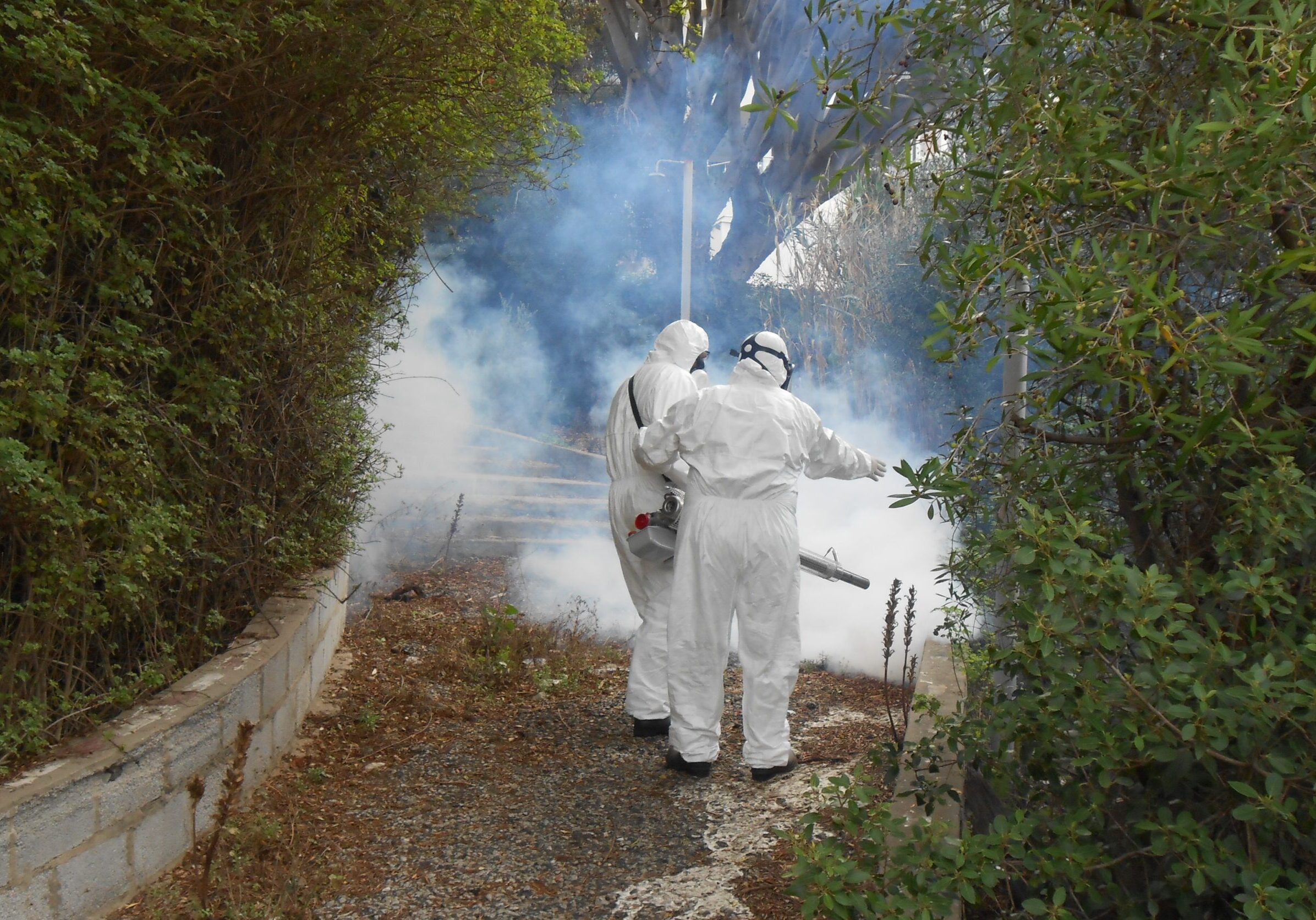
Need Assistance?
If you suspect a pest issue within government premises, contact us at (+350) 200 70620 for referral to our Pest Control Team.
For after-hours emergencies call (+350) 58297000.
Applications
If you are looking to apply in anything related to Pest Control, you can do so online using our electronic application forms.