What is a Statutory nuisance?
The Environmental Agency is obliged to investigate complaints that may constitute a statutory nuisance. Our powers and responsibilities are defined by law, and we are bound by legal precedent in determining whether a reported issue meets the statutory threshold.
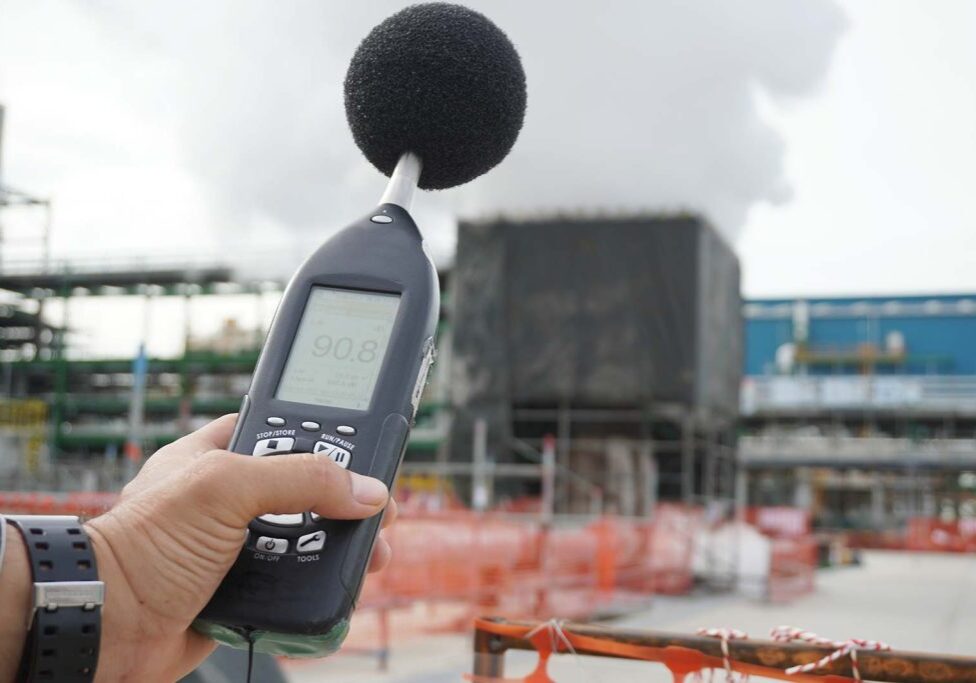
A statutory nuisance is not simply anything that causes annoyance or inconvenience. The term has been shaped over time through case law, which provides an objective framework for assessment. In general, for a situation to be considered a statutory nuisance, it must:
- Unreasonably and substantially interfere with the use or enjoyment of a home or other premises; or
- Injure health or be likely to injure health
Our officers must apply these legal standards rather than subjective perceptions when evaluating complaints. As such, some matters that residents may find unpleasant or disruptive may not meet the legal criteria for formal action.
Forms of nuisance that we may investigate:
- Noise from licensed establishments
- Odours
- Accumulations or deposits which are prejudicial to health or a nuisance
- Animals or birds kept in a manner that are prejudicial to health
- Premises that are prejudicial to health
- Dust or effluvia caused by any trade, business, manufacture or process
- Ventilation issues at places of work
- Overcrowding
- Dangerous structures
- Insects
- Drainage issues
This list is not exhaustive. For more information on what may be classed as a statutory nuisance, please read Section 81 of the Public Health Act 1950.
This gives details of the different types of nuisance, subject to evidence and the professional opinion of Environmental Health Officers.

Leisure Areas
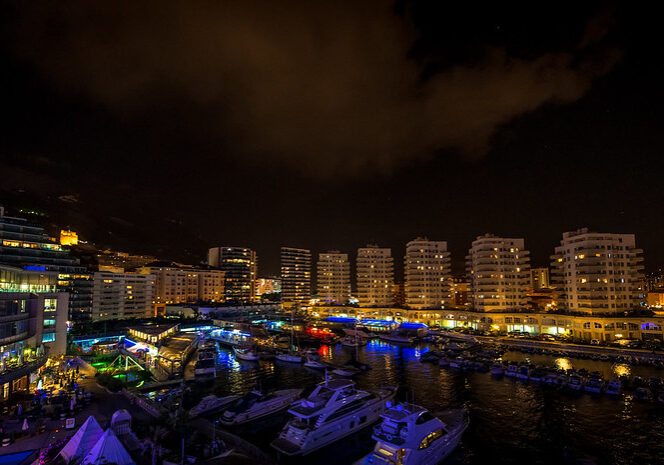
Noise from premises located in specified Leisure Areas is dealt with differently. If the officer is satisfied that a noise nuisance exists from a premises located in a Leisure Area, the Chief Secretary as the licensing authority is informed. The licensing authority may then take the appropriate action they deem fit if it is found that the premises has breached the conditions of its Leisure Area licence.
The specified Leisure Areas at present are:
- Eastern Beach
- Eastern Beach Road
- Ocean Village
- Marina Bay
- Kings Bastion Leisure Area
- Casemates Square
- Queensway Quay
More precise descriptions of the areas included can be found in the various items of legislation made under the Leisure Areas (Licensing) Act 2001.
If it is not a statutory nuisance
If, for whatever reason, we cannot take action to stop a nuisance, or if you do not want to involve us, you can complain directly to the Magistrate's Court under section 88 of the Public Health Act 1950.
Documents
You can find all relevant documentation below on Statutory Nuisances.
Applications
If you are looking to apply in anything related to Statutory Nuisances, you can do so online using our electronic application forms.