Integrated Pollution Prevention & Control Regulatory System
Integrated Pollution Prevention and Control (IPPC) is a regulatory system that employs an integrated approach to controlling the environmental impacts of certain industrial activities. It applies to sectors such as energy, metals, minerals, chemicals, waste management, and other activities including textile treatment and food production.
It involves determining the appropriate controls for industry to protect the environment through a permitting process.
To gain a permit, operators must demonstrate that they have systematically developed proposals to apply the Best Available Techniques (BAT) and meet certain other requirements, taking into account relevant local factors.
The essence of BAT is to achieve an appropriate balance between realizing environmental benefits and the costs incurred by operators.
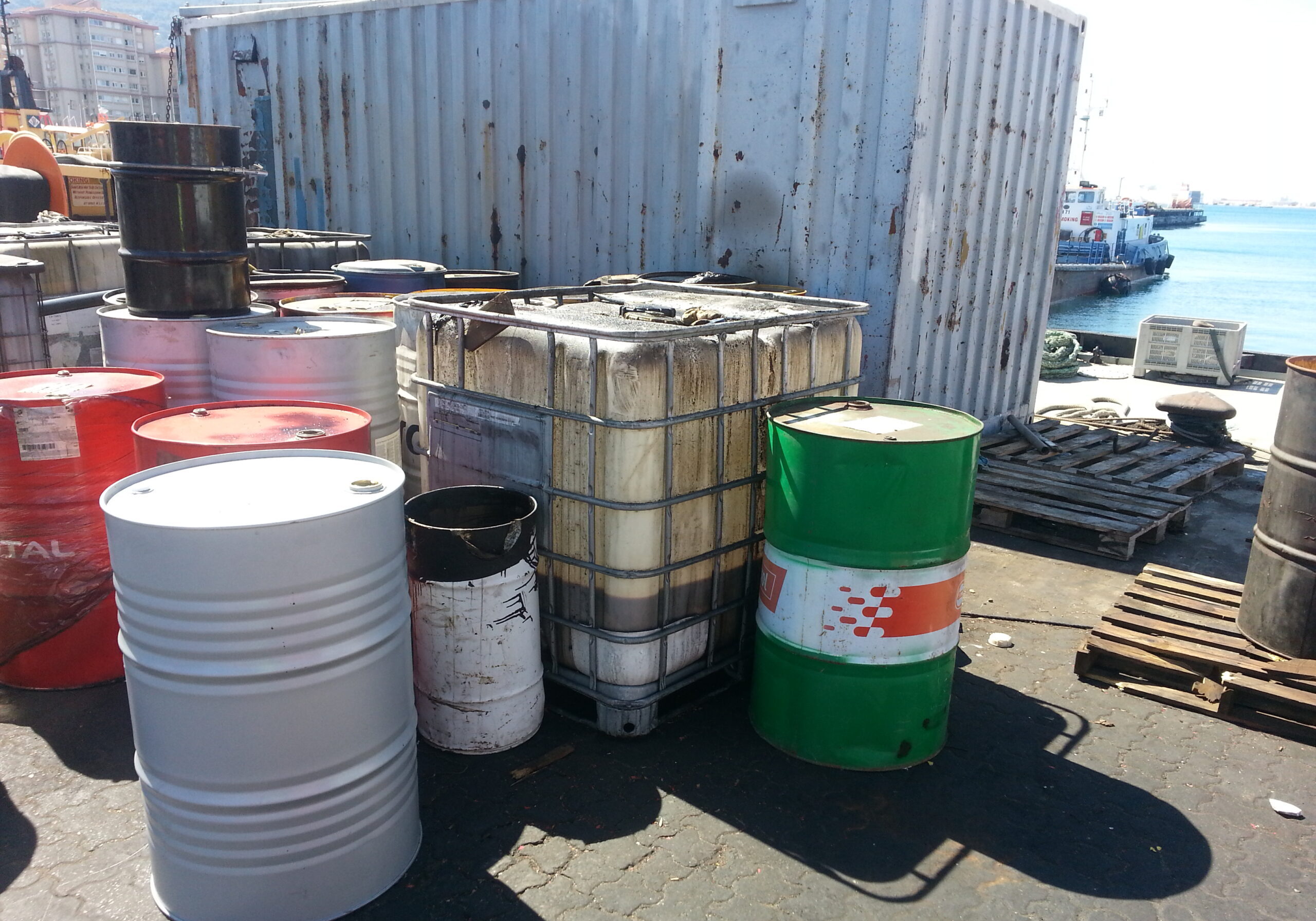
Through IPPC, the Agency aims to:
- Protect the environment as a whole
- Promote the use of clean technology to minimize waste at the source
- Encourage innovation by assigning responsibility for developing effective environmental solutions to industrial operators
Once a permit has been issued, other parts of the IPPC framework apply. These include compliance monitoring, periodic permit reviews, and variation of permit conditions. IPPC also requires site restoration once the permitted activities cease to operate.
IPPC operates under the Pollution Prevention and Control Regulations 2013. This Act implements the EC Directive 2010/75 on IPPC.
In assessing permit applications under these regulations, the Agency works in close consultation with the UK’s Environment Agency, which provides technical expertise in pollution prevention and assists in the preparation of permits.
Documents
You can find all relevant documentation below on Integrated Pollution Prevention and Control (IPPCs).
Applications
If you are looking to apply in anything related to Integrated Pollution Prevention and Control (IPPCs), you can do so online using our electronic application forms.